
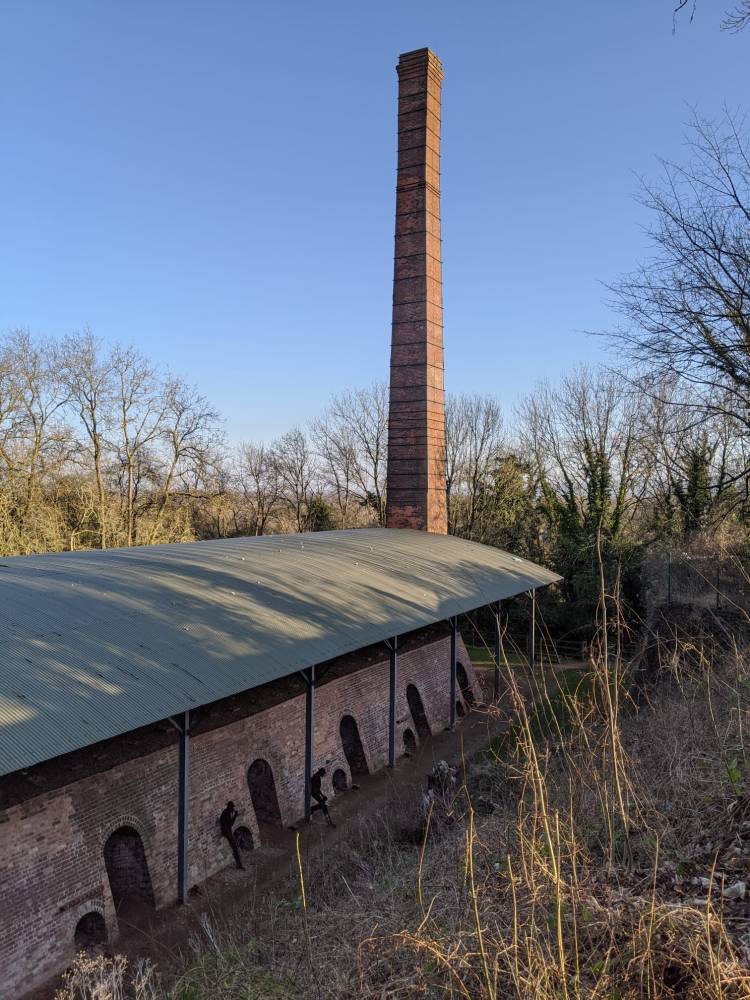
In my previous blog I explored the 1901 Census for the English side of LLanymynech in an attempt to identify the workers from the Hoffman Kiln. The Hoffman Kiln is recorded as starting production in 1888. Only two individuals identified themselves on this Census specifically as working at the Limestone Kilns; the clerk to the Lime Works and one lime burner. Therefore, the next step was to see if the skilled kiln workforce was living on the Welsh side of the village, known as Carreghoffa.
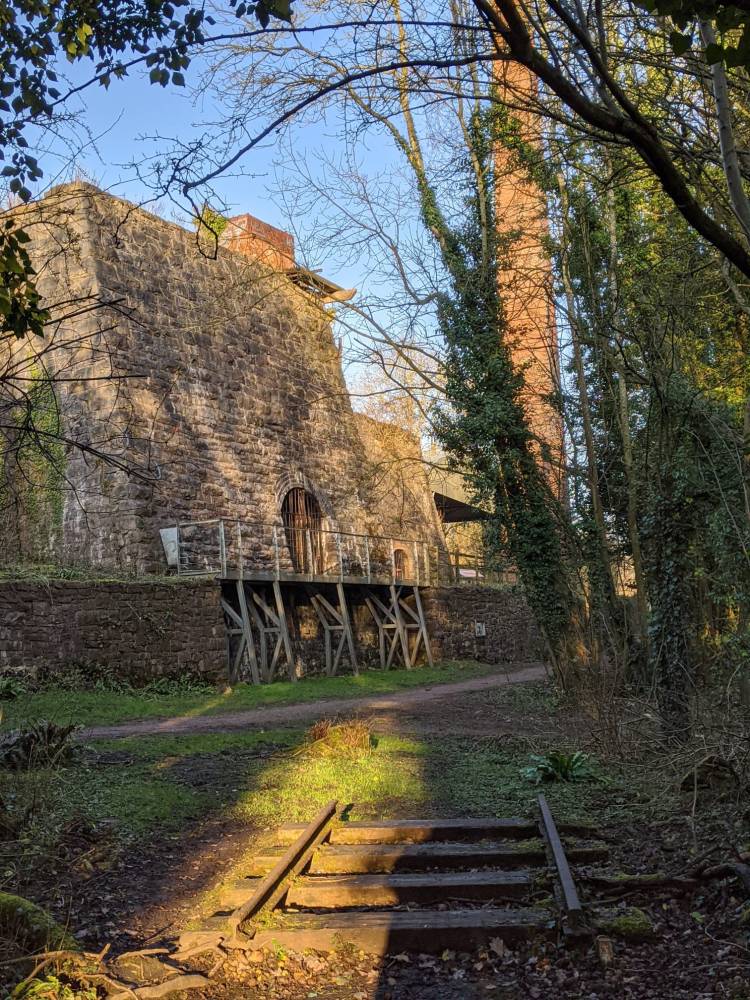
In the 1901 Census for Carreghoffa, again, only two individuals identified themselves as working specifically in lime production. The Foreman at the Lime Works – Joseph Beddow and one lime Kiln Labourer David Harris, living at Pen Y Foel. Pen Y Foel is within easy reach of the Hoffman Kiln but is also close to a number of traditional kilns along the edge of the Llanymynech escarpment so he could easily have worked in either place.
There were a number of other individuals living in Carreghoffa identified as working in the Lime Industry but these seem to be more specifically related to the Lime Quarry itself:
5x Labourers in the Stone Quarry
2x Quarry Stonebreakers
2x Quarrymen Labourers
3 x Limestone Quarrymen
14x General labourers
Who were the LimeKiln Workers?
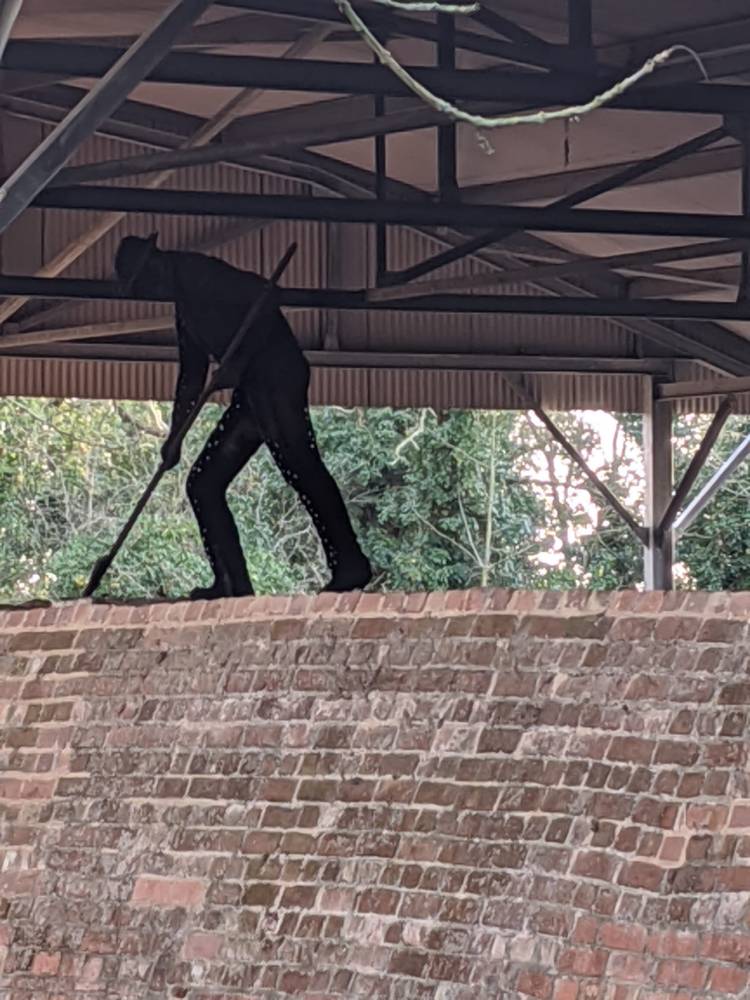
The Clerk at the Lime Works -George Everett aged 41, he had been born in Ellesmere, Shropshire. He was living at Rock Vue with his wife Elizabeth.
The Lime Kiln Foreman- Joshua Beddow was 43 he had been born in Maesbrook, Shropshire. He was living at the Wern, Carreghoffa with his wife Elizabeth, his son Thomas, who was a telegraph messenger, as well as two other sons and three daughters.
Lime Kiln Labourer – David Harris had been born in Llanymynech. He was 46 years old, married to Mary. He had three sons, one daughter, and a little girl living with him at Pen Y Foel, Llanymynech.
Limework’s Burner – Luther Lee was 29. He had been born in Sidmouth Devon and was boarding at Belle Vue with Thomas and Jane Lewis and another boarder who was a Porter on the Railway, William Davies.
We are still left wondering where the skilled workforce required to run the Hoffman Kiln around the clock were living. Possibly the kiln was not actually in full production by 1901 and we will find them in the 1911 Census. That seems to be the next document to explore. Add your email to the link below to be kept up to date with my research.
 Hidden Histories Genealogy