
By the time of the 1901 Census, the Hoffman kiln would have been in existence for two years. It was a massive investment and required a skilled workforce to run it effectively.
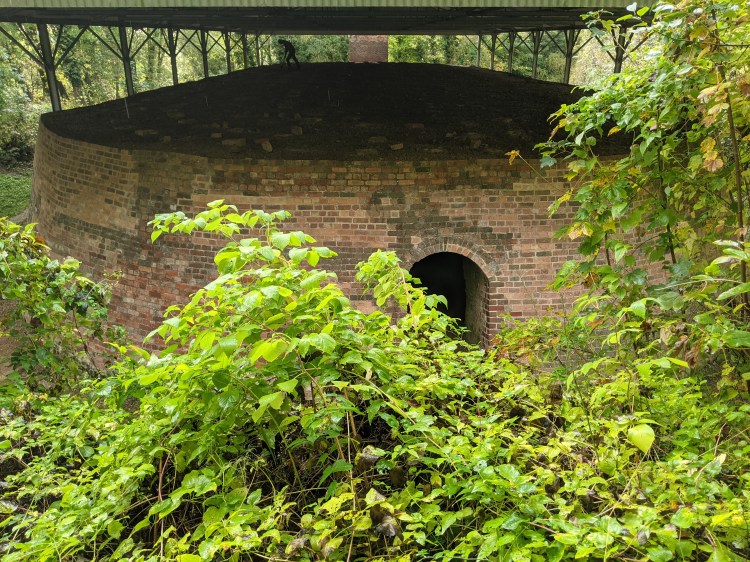
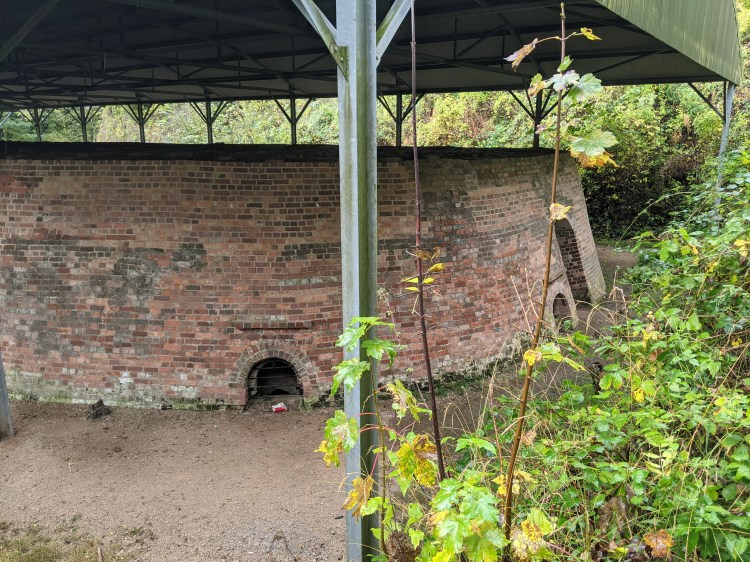
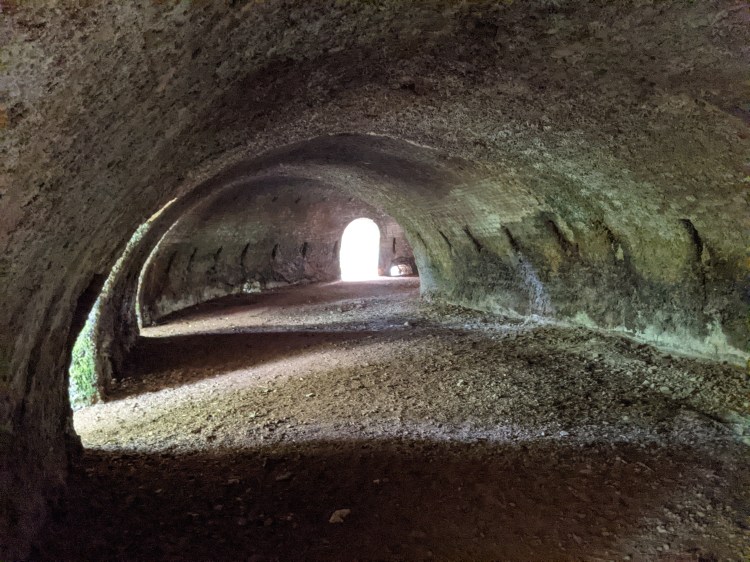
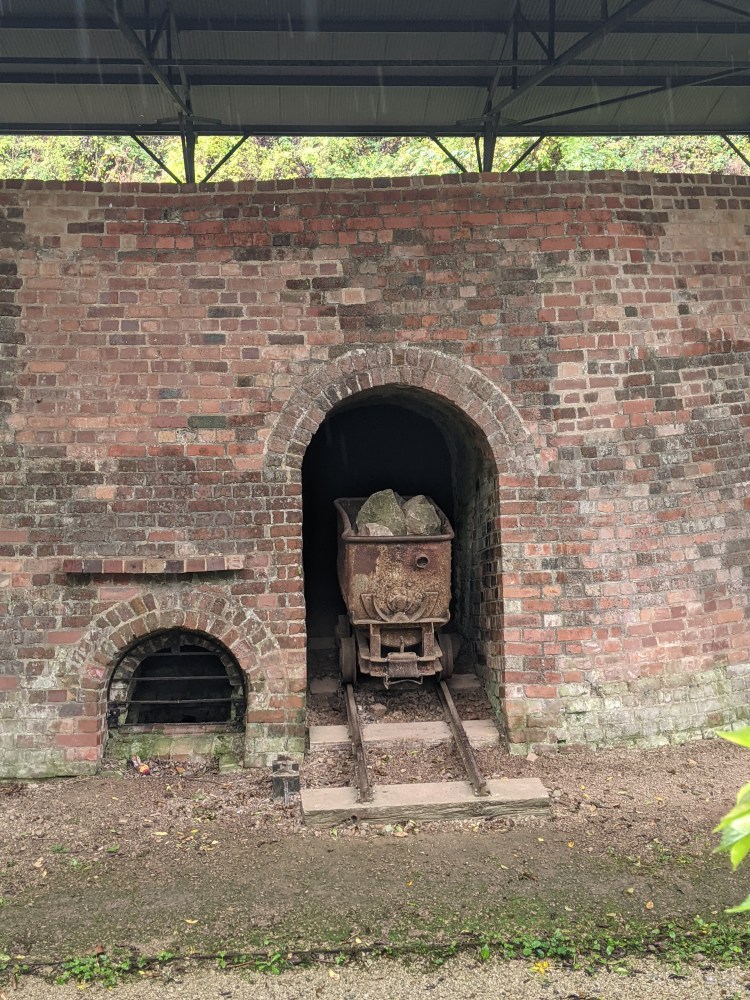

Llanymynech is unusual in that half of the village lies within Shropshire, England, and the other half within Powys, Wales. The English side of Llanymynech had 531 inhabitants listed in the 1901 Census, including men, women, and children. Over 100 different occupational terms were listed. These can loosely be grouped under the following occupational headings:
- INDUSTRIAL
- RELILGIOUS
- EDUCATIONAL
- MEDICAL
- TRADE
- AGRICUTURAL
- RAILWAYS
- DOMESTIC
- HOSPITALITY
- POST
- LIVING BY OWN MEANS
- OTHER
Industrial
Under the Industrial heading, are the occupations associated with lime production, brick making, and canal boats.
There were three listings linked to brick making:
- Brick cutter,
- Workman at brickyard
- Workman at clayhole.
There were eleven separate occupations listed linked to the lime industry:
- 1x Quarry owner
- 1x Clerk lime works
- 1x Lime burner
- 7x Limestone quarryman
- 2x Horse driver in stone quarry
- 1x Waggoner stone quarry
- 13x Quarryman limestone
- 1x Quarryman stone breaking
- 2x Rockman stone quarry
- 3x Stone quarry labourer
- 1x Worker stone quarry
The quarry owner was listed as living in Pant (today, a separate township 1 mile north of Lalanymynech), with no specific residence mentioned. This would suggest that, if he indeed was an owner, it was one of the small quarries along the escarpment and that he was not an owner of the large quarries supplying the lime kilns.
Only one individual listed his occupation as a lime burner. This is interesting as a skilled workforce, working shifts, was required to maintain the Hoffman Kiln lime production 24 hours a day. Possibly further individuals will be identified living on the Welsh side of the village. There were ten ‘general labourers’ listed and it is possible that the lime burners may have used this to describe their role, but it was a term used by many different types of labourers.
It is possible that the Hoffman Kiln was still under construction in 1901 and this would explain the five bricklayers and their three bricklayer labourers listed in the Census. More research may help to answer these questions.
Add your email in the space below to keep up with my blog as I try to solve this mystery.
 Hidden Histories Genealogy